Your Guide to Brand Identity Creation
Building a brand identity is about so much more than designing a logo. It’s the art and science of shaping how the world sees your company. You’re weaving together your mission, values, voice, and visual style into a single, memorable experience that builds real trust and lasting loyalty with your audience.
Want to turn this into real name ideas? Open Naming Toolbox to generate, refine, and compare naming options while you read.
Going Beyond the Logo to Build Your Brand
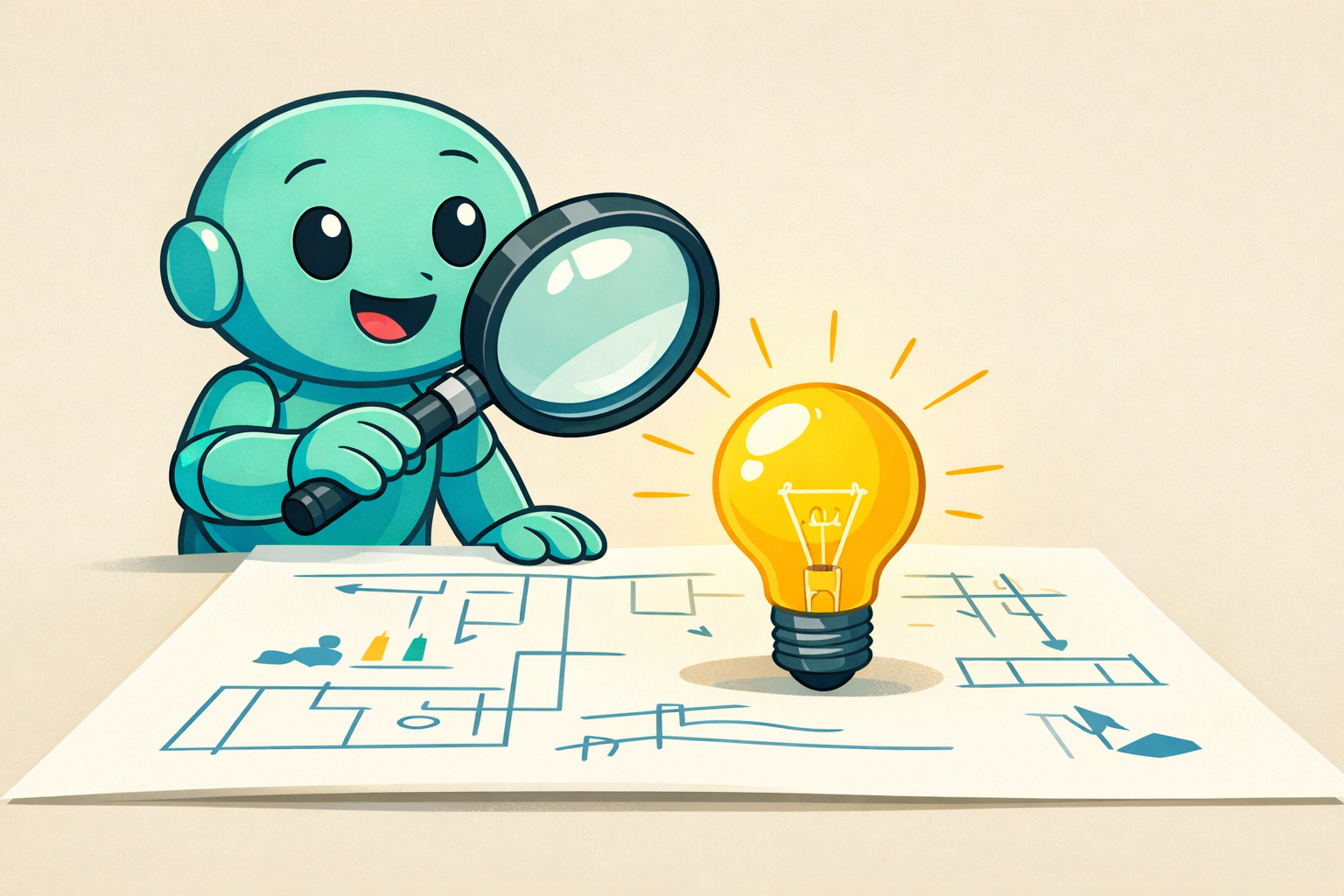
It’s a common mistake to think your brand is just your logo or color palette. While those visual pieces are certainly important, they're only a small part of a much bigger story.
A true brand identity is about building an emotional connection. It’s the sum of every single touchpoint a customer has with you, from the tone of your website copy to the feel of your packaging and the signature on your support emails.
This is exactly why companies are doubling down on their branding efforts. We're seeing a clear trend where over 75% of businesses now plan to invest more in brand strategy than in physical infrastructure. On top of that, digital branding is on track to account for nearly 60% of all global marketing budgets, which just goes to show how vital a strong online identity has become.
Core Components of Brand Identity
To build a brand that truly connects, you have to look at both the "why" and the "what" the strategy behind your brand and the visuals that represent it. These elements must work in harmony to create an identity that stands out.
Here’s a quick breakdown of the core components that form a complete and effective brand identity. Each piece plays a distinct role in shaping perception and building recognition.
| Component Type | Element | Purpose |
|---|---|---|
| Strategic | Mission & Values | Your "why." This is the foundation that guides every decision and communicates your purpose beyond just making a profit. |
| Strategic | Brand Voice & Tone | Your personality. It defines how you sound across all communications, from social media posts to customer emails. |
| Strategic | Market Positioning | Your unique place in the market. It clarifies who you serve and what makes you different from the competition. |
| Visual | Logo & Wordmark | The primary visual identifier for your brand. It's often the first thing people associate with your company. |
| Visual | Color Palette | The set of colors that evokes specific emotions and creates a consistent look and feel across all materials. |
| Visual | Typography | The fonts you use. Typography communicates personality, whether it's modern, traditional, playful, or elegant. |
When all these pieces are aligned, your brand feels authentic and whole. Think of it like this: your strategy is the skeleton, your voice is the personality, and your visuals are the clothes. Everything needs to fit together. For a deeper look, this guide on creating a brand identity offers some great additional insights.
A strong brand identity doesn't just attract customers; it creates advocates. When people feel a genuine connection to your brand's story and values, they become loyal fans who will champion your business for you.
Ultimately, the goal is to build something that doesn't just look good, but feels right to your ideal customer. It's about crafting a consistent and authentic experience that ensures your brand doesn't just survive, but thrives for years to come.
Building Your Brand Strategy and Positioning
Before you ever dream of logos or color palettes, the real work of building a brand identity starts with strategy. I've seen it time and time again: a stunning visual identity built on a shaky foundation crumbles under pressure. This initial stage is all about the deep, sometimes difficult, work of defining who you are, who you're for, and why anyone should care.
Think of it as building a house. You wouldn’t order curtains before the foundation is poured and the walls are framed, right? Your brand strategy is that essential structure. It’s the blueprint ensuring everything you build on top of it is stable, coherent, and has a clear purpose.
Understanding Your Market Landscape
First things first, you need an honest, clear-eyed view of the world your brand will operate in. This means looking outward at your competition and inward at your future customers. Competitor analysis isn't about mimicry; it’s about finding the open spaces where you can shine.
As you dig in, ask yourself some tough questions:
- Who are the big players? Look at their messaging, their visuals, and what they claim to stand for. What's the story they're telling?
- Where are they weak? Search for the gaps. Maybe every competitor screams about speed, leaving a wide-open lane for a brand that champions craftsmanship.
- What’s their brand voice? Are they buttoned-up and professional, or are they casual and witty? This helps you carve out a unique tone for your own brand.
At the same time, you have to get to know your audience on an almost personal level. Creating detailed customer personas is a game-changer here. Don't settle for broad strokes like "millennial women." Go deeper. What keeps them up at night? What do they truly value? What other brands do they adore, and why?
Defining Your Brand’s Core DNA
With a solid grasp of the external landscape, it's time to turn inward and define your brand's internal compass. This is where you nail down your mission, vision, and values. Trust me, these aren't just fluffy statements for a forgotten "About Us" page; they are the very soul of your brand.
- Mission (Your Why): What problem do you exist to solve right now? For a sustainable coffee company, the mission might be, "To provide ethically sourced, specialty coffee that connects our customers to the farmers who grow it."
- Vision (Your Where): What is your long-term dream? The coffee company's vision could be, "A world where every cup of coffee contributes to a sustainable and equitable global community."
- Values (Your How): These are the non-negotiable principles guiding every decision. Our coffee brand might live by transparency, sustainability, community, and quality.
This strategic roadmap is what will guide your entire brand identity journey from here on out.
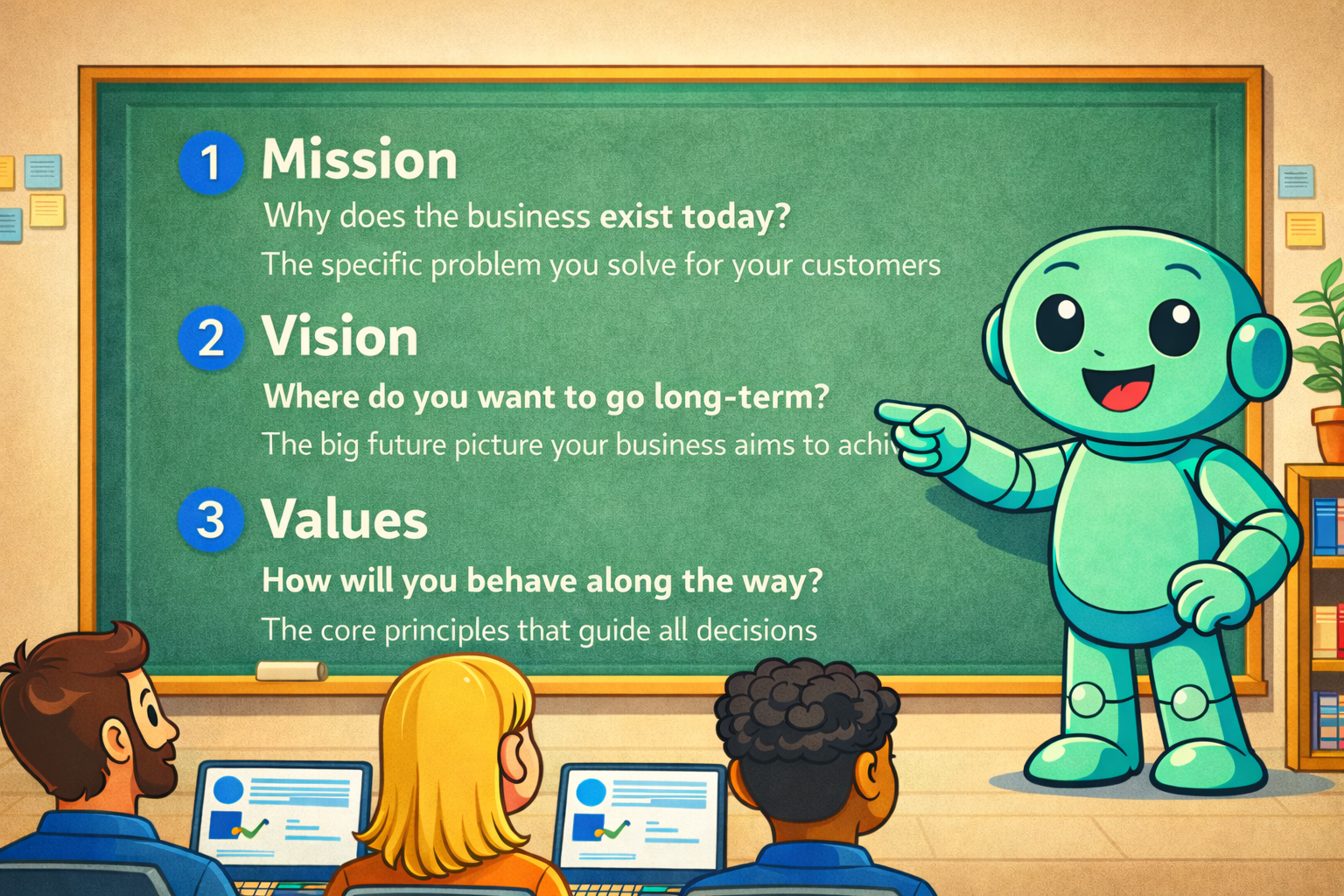
This infographic perfectly illustrates how these foundational pieces fit together, steering you toward a clear and effective identity. Every choice, from your name to your logo, has to align with this core strategy. When you're brainstorming names, for instance, it's worth reading up on what you need to know about brand names to make sure your pick reflects these core principles.
Crafting a Powerful Positioning Statement
Now, you can distill all that research and soul-searching into a single, powerful brand positioning statement. This is an internal tool, a north star that clearly articulates your unique place in the market. It’s the ultimate gut check for your strategic clarity.
A simple but incredibly effective template I always recommend is:
For Target Audience, Your Brand is the only Market Category that Your Unique Differentiator/Promise because Reason to Believe.
Let's plug our sustainable coffee company into this framework.
Example Positioning Statement
"For environmentally conscious coffee lovers who value transparency, TerraBrew Coffee is the only specialty coffee roaster that delivers a direct farm-to-cup experience, because we exclusively partner with single-origin, certified fair-trade farms and share their stories with every bag."
This statement is your compass. It tells the entire team who they’re serving, what makes them different, and why customers should believe the promise. Every single piece of your brand identity creation, from the packaging design to the caption on an Instagram post, can now be measured against it. Does this support our position? If the answer is no, it's time to rethink. This is how you build a brand that isn't just beautiful, but powerfully consistent and truly meaningful.
Finding Your Brand Voice and Message
With a solid strategy in place, we can move on to one of the most important parts of brand identity creation: finding your voice. This is more than just what you say, it’s about how you say it. Your brand voice is the specific personality your audience hears and feels in every email, social post, and ad.
Think of it like this: your strategy is the skeleton, but your voice is the soul. A consistent voice makes a brand feel familiar, human, and trustworthy. In fact, research shows that consistently presenting a brand can increase revenue by 33%. It all starts by defining a personality that genuinely clicks with the people you want to reach.
Using Brand Archetypes to Define Your Character
A fantastic tool I always recommend for this is the concept of brand archetypes. These are basically universal character types that help humanize your brand, making it instantly more relatable. When you align with an archetype, you’re giving yourself a clear shortcut to a consistent personality.
There are many archetypes out there, but here are a few common ones to get you started:
- The Hero: This brand is all about conquering challenges and inspiring others to be their best. Think Nike. Their voice is confident, motivational, and unapologetically bold.
- The Sage: This brand is on a quest for truth and exists to share knowledge. Google and the BBC are classic Sages. Their voice is authoritative, insightful, and always informative.
- The Jester: This brand just wants to bring more joy to the world and isn't afraid to be a little mischievous. Think Old Spice or M&M's. Their voice is playful, clever, and just plain fun.
Choosing an archetype gives you an immediate framework. If you're The Sage, your social media will be educational, not silly. If you're The Jester, your customer service emails might just have a touch of humor. This simple decision prevents the kind of personality whiplash that confuses customers and undermines your brand.
Building Your Core Messaging Pillars
Once you've landed on a personality, you need to figure out what you’re actually going to talk about. These are your messaging pillars the two to four core themes your brand will hit on again and again. They are the substance behind your style, ensuring your content is always on-brand and focused on what you stand for.
Let's stick with our sustainable coffee company example, TerraBrew. Their messaging pillars might look like this:
- Ethical Sourcing & Farmer Stories: Highlighting the transparent, direct relationships with coffee growers.
- Exceptional Quality & Craft: Focusing on the superior taste and meticulous roasting process.
- Community & Connection: Showcasing how their coffee brings people together.
Now, every blog post, social media update, or email campaign should tie back to one of these pillars. This repetition is crucial. It carves out a specific space in your customer's mind, making your brand synonymous with these core ideas.
Your brand voice is how you sound, but your messaging pillars are what you consistently talk about. One without the other leaves you with either an empty personality or a boring monologue.
Crafting Your Essential Brand Copy
With your voice and pillars locked in, you can finally start writing the key pieces of copy that will represent your brand everywhere. This is where your strategy becomes real, tangible text.
- Tagline: A short, catchy phrase that sums up your brand’s essence. For TerraBrew, something like: "Coffee with a Conscience." It’s memorable and gets right to the heart of their values.
- Elevator Pitch: A quick, 30-second summary of what you do, who you help, and why you’re different. This is your go-to for networking events and quick intros.
- Boilerplate Copy: A tight, one-paragraph description of your company. It’s your official story, neatly packaged for press releases, your website’s "About Us" page, or LinkedIn profile.
Your personality has to shine through in all of these. A playful Jester will have a witty tagline, while a professional Sage will have a clear, authoritative boilerplate. When you put in the work to define your voice, pillars, and essential copy, you guarantee your brand speaks with purpose and consistency at every single touchpoint.
Bringing Your Brand to Life: Designing the Visual Identity
Once you've nailed down your strategy and brand voice, it’s time for the fun part: creating the visuals. This is where all those abstract ideas about your company’s personality and values become tangible. We’re talking about the colors, shapes, and typefaces that people will actually see, touch, and remember.
A strong visual identity is your brand's silent ambassador. Think of it as the consistent “look” that makes you instantly recognizable, whether it’s on a tiny app icon or a massive billboard. The goal isn't just to make something pretty; it's to build a flexible, cohesive system that works everywhere your brand shows up. This requires a blend of creative exploration and sharp, strategic thinking.
From Strategy to Mood Board
Before you even think about sketching a logo, there's a crucial first step: the mood board. This is simply a curated collection of images, textures, color palettes, and typographic examples that visually captures the feeling you want your brand to evoke. It’s the bridge between your written strategy and the final design.
Your mood board needs to be a direct reflection of your brand's core DNA, its mission, values, and personality.
- If your brand is rugged and adventurous, you might pull images of natural textures like wood and stone, earthy color tones, and bold, sturdy fonts.
- For a brand that’s sleek and modern, the board would likely feature minimalist photography, clean lines, a monochromatic scheme with a single bright accent, and crisp sans-serif type.
This visual reference point gets everyone on the same page, from designers to stakeholders. It moves the conversation away from subjective feedback like, "I just don't like that color," and toward a more strategic one: "Does this align with the mood board we all agreed on?"
The Core Components of Your Visual System
A complete visual identity is built from a few key components that have to work together in harmony. Each piece has its own job, but their real power comes from being used consistently.
| Visual Element | Primary Role | Key Considerations |
|---|---|---|
| Logo | Your brand's main identifier; a visual cornerstone. | Is it versatile, scalable, and memorable? |
| Color Palette | Sets the emotional tone and aids recognition. | Think about color psychology, accessibility, and competitor palettes. |
| Typography | Communicates personality and ensures readability. | Establish a clear hierarchy for headlines, subheadings, and body text. |
| Imagery Style | Defines the look of photos, illustrations, and icons. | Keep the style, mood, and subject matter consistent. |
These elements aren't chosen in a vacuum. Your colors have to complement your logo, and your typography needs to match your brand's voice. This interconnected system is what creates a truly powerful brand.
Crafting a Logo That’s Versatile and Timeless
Your logo is often the first visual handshake you have with your audience. A great logo is more than an attractive mark; it’s a strategic business tool. From my experience, the most effective logos are disarmingly simple, memorable, and incredibly versatile.
A truly successful logo works just as well embroidered on a polo shirt as it does as a tiny social media avatar. If it loses its impact when scaled down or printed in a single color, it’s not versatile enough.
You should always aim for a full logo suite with a few key variations:
- Primary Logo: The main, full-detail version you'll use most often.
- Secondary Logo: A stacked or horizontal alternative for different layouts.
- Submark or Icon: A simplified mark, like an initial or symbol, perfect for small applications like favicons or profile pictures.
Having this flexibility ensures your brand always looks professional and clear, no matter where it appears.
Choosing Your Colors and Fonts
Color is a shortcut to emotion. Research has shown that colors can directly influence how customers perceive a brand's personality. Blue, for example, often signals trust and dependability, while yellow can feel optimistic and creative. When building your palette, pick one or two primary colors to be your brand’s signature, then round them out with secondary and accent colors for more flexibility in your designs.
Typography has a similar dual role: it must be both expressive and functional. A common mistake I see is when brands choose fonts that look cool but are a nightmare to read. You need to establish a clear typographic hierarchy from the start.
- A distinctive heading font that captures your brand's personality.
- A clean, legible body font that works well for longer text.
This structure creates visual order and makes your content easy for people to scan and digest, an absolute must for websites, apps, and marketing materials. By carefully selecting and combining these visual elements, you’re not just making things look good; you're building a hard-working system that tells your brand's unique story at a glance.
Launching and Protecting Your New Brand
You've poured so much time and effort into the strategic and creative work of building your brand identity. Now comes the moment of truth: bringing it to life and making sure it stays strong, consistent, and legally yours. This final phase is all about a smart rollout and securing your hard work.
Think of it like building a beautiful house. You wouldn't finish construction and then just leave the doors unlocked for anyone to wander in. You'd secure the property first, then plan a proper housewarming. The exact same logic applies to your brand.
Secure Your Brand with Legal Protection
First things first: safeguard your name and logo. This is non-negotiable. Skipping this step can unravel all your work, potentially forcing a painful and expensive rebrand down the road when you discover a conflict you could have avoided.
Your most powerful tool here is a trademark. It grants you exclusive rights to your brand elements within your industry, stopping others from using a confusingly similar name or logo. The process always starts with a comprehensive trademark search to ensure your name is actually available. This isn't just a quick domain check; it involves digging into federal and state databases for any registered or pending marks that could cause a problem.
I can't overstate how critical this is in today's crowded market. Finding a unique, trademarkable name has become a massive challenge. As of 2023, there were about 88.2 million active registered trademarks across the globe. It's no surprise that 100% of Chief Marketing Officers say that creating a unique name is much harder now than it was just five years ago.
Key Takeaway: A trademark isn't just a legal hoop to jump through, it's a core business asset. It protects your investment, builds equity, and gives you legal power against copycats.
Create Your Brand Style Guidelines
Once your brand is legally locked down, you need to protect its integrity in the wild. This is where your brand style guide comes in. Think of it as the official rulebook for your brand, a single source of truth that dictates exactly how your identity should look, feel, and sound everywhere it appears.
A solid style guide eliminates guesswork and ensures consistency, whether it's an in-house designer, a freelance writer, or a new marketing hire working on a project. It empowers everyone on your team to represent the brand perfectly.
A truly comprehensive guide should always include:
- Logo Usage: Clear do's and don'ts for your primary logo, secondary logos, and any submarks. Specify minimum sizes, required clear space, and show concrete examples of what not to do (like stretching, re-coloring, or cluttering the logo).
- Color Palette: The exact color codes (HEX, RGB, CMYK, Pantone) for your primary, secondary, and accent colors. Define their roles to maintain visual harmony.
- Typography: The specific fonts for headlines, subheadings, and body text. You'll want to include details on weights, sizes, and spacing to build a clear and consistent typographic hierarchy.
- Brand Voice and Tone: Guidelines on how your brand should sound. Is it witty? Authoritative? Compassionate? Provide real examples of your voice in action and maybe even a "say this, not that" list. Some brands even go for a more provocative stance, and you can explore if a polarizing brand name fits your strategy.
- Imagery Style: What kind of photography, illustration, and icons represent your brand? Set the rules for mood, subject matter, and any specific editing styles or filters.
This document is a living asset. It will, and should, evolve as your brand grows, but its purpose remains the same: maintaining a cohesive and instantly recognizable presence.
Plan a Phased and Impactful Launch
With your legal protections and style guide ready, it's time for the big reveal. From my experience, a successful launch is rarely a single "big bang" event. A much smarter and more manageable approach is a phased rollout. This gives you full control over the narrative and ensures every single detail is perfect.
Here’s what a typical phased launch can look like:
- Start Internally: Before telling the world, tell your team. Introduce the new identity internally to build excitement and turn your employees into your very first brand ambassadors.
- Update Core Digital Assets: Next, tackle your highest-impact properties. This is usually your website, primary social media profiles, and email newsletter templates.
- Roll Out Marketing Materials: Begin updating all other collateral in stages. This includes digital ads, brochures, business cards, and sales presentations.
- Announce Publicly: Finally, craft a public announcement that shares the story behind the change. Explain the "why" to your customers and audience, this brings them along on the journey and makes them feel like part of it.
This methodical process minimizes disruption and ensures every touchpoint perfectly reflects the new brand from day one. By protecting your assets and launching thoughtfully, you're setting your brand up for the recognition and success it deserves.
Common Questions About Building a Brand Identity
Even with a clear plan, you're bound to hit a few tricky spots on the road to building your brand identity. Honestly, how you handle these common hurdles is often what separates a good brand from a great one. Let’s walk through some of the questions I see pop up most often.
What's a Realistic Budget for Creating a Brand Identity?
This is the big one, isn't it? The truth is, the cost can swing wildly. A solopreneur getting creative with online tools might only spend a few hundred dollars. On the other end of the spectrum, a major corporation could easily invest hundreds of thousands. The key is to stop thinking of it as a cost and start seeing it as an investment in a core business asset.
What you'll actually spend hinges on a few things:
- Your Scope: Are we just talking about a logo? Or do you need the whole nine yards, strategy, messaging, visual design, and a comprehensive style guide?
- Who's Doing the Work: Are you hiring a freelance designer, bringing in a full-service branding agency, or trying to manage it in-house? Agencies usually deliver a more complete package, but that comes with a premium price tag.
- Your Timeline: Need it yesterday? Rush jobs will almost always cost you more.
For a small business that wants a professional touch, a good starting point is somewhere in the 2,000 to 15,000 range. That should be enough to get you a quality logo, a solid color palette, considered typography, and some basic brand guidelines. And remember, research shows a strong, consistent identity can boost revenue by up to 33%, the return on that initial investment can be huge.
How Long Does This Whole Process Take?
My best advice here? Be patient. Rushing your brand identity almost always results in something shallow that just doesn't last. For a project that covers all the bases, strategy, research, design, and feedback, a realistic timeline is anywhere from four to twelve weeks.
Rushing your brand identity creation is like building a house on a shaky foundation. It might look okay from the outside, but it won’t stand up to market pressures or the test of time.
Here's a rough breakdown of how that time is spent:
- Strategy & Research: 1-3 weeks
- Initial Design Concepts: 1-2 weeks
- Revisions & Refinements: 1-4 weeks
- Finalizing & Creating Guidelines: 1-3 weeks
This kind of schedule allows for the deep thinking, creative exploration, and collaborative feedback you need to build something truly effective and enduring.
Should I Rebrand or Just Do a Refresh?
This is a critical strategic crossroads. Think of a refresh as a fresh coat of paint. You might update your logo, tweak your color palette, or modernize your fonts, but the core of your identity stays the same. It's the perfect move for a brand that’s still relevant but just needs to feel a bit more current.
A full rebrand, on the other hand, is a complete teardown and rebuild. This is the path you take when your company's mission has fundamentally changed, you're going after a totally new audience, or your current brand is carrying some negative baggage. A rebrand means re-evaluating everything from your name and mission to your entire visual and verbal identity.
Before you decide, ask yourself these tough questions:
- Does our brand still reflect our real values and mission?
- Is it still connecting with the people we want to reach?
- Is our current name or logo holding us back?
A refresh is lower risk and helps you hang on to the brand equity you've already built. A rebrand is a massive undertaking, but it can be exactly what your business needs when it has truly outgrown its old skin.
Ready to find a name that perfectly embodies your new brand identity? NameRobot has a powerful suite of tools to help you discover, check, and lock down the ideal name for your business. From AI-powered generators to instant trademark checks, we help turn the naming process into an inspiring creative journey. Find your perfect name today at NameRobot.