How to Choose a Username: Tips for a Memorable, Secure Choice
Your username is your digital handshake. It’s often the very first thing people see, long before they read your bio or see your work. A great one should be easy to remember, simple to spell, and clearly connected to you or your brand. The best approach is always a mix of creativity and strategy.
Want to check a serious name candidate? Use NameScore for a structured first assessment before you commit time, budget, or launch work.
Your Username Is Your Digital First Impression
Before you even think about hitting "sign up," let's pause and give your username the attention it deserves. It’s so much more than a login detail; it’s your online brand, your reputation, and your identity all rolled into one. This single handle represents you everywhere, from a professional profile on LinkedIn to a creative portfolio on Instagram or your gaming persona on Twitch.
Think of it as a strategic asset. The right username makes you instantly recognizable and easy for others to find. But a poorly chosen one? It can cause confusion, send the wrong message, or worse, be completely forgettable just moments after someone sees it.
Why This Choice Matters More Than You Think
Take a moment to think about how you interact online. Usernames are everywhere—in notifications, search results, and when people tag you. A powerful username just works.
-
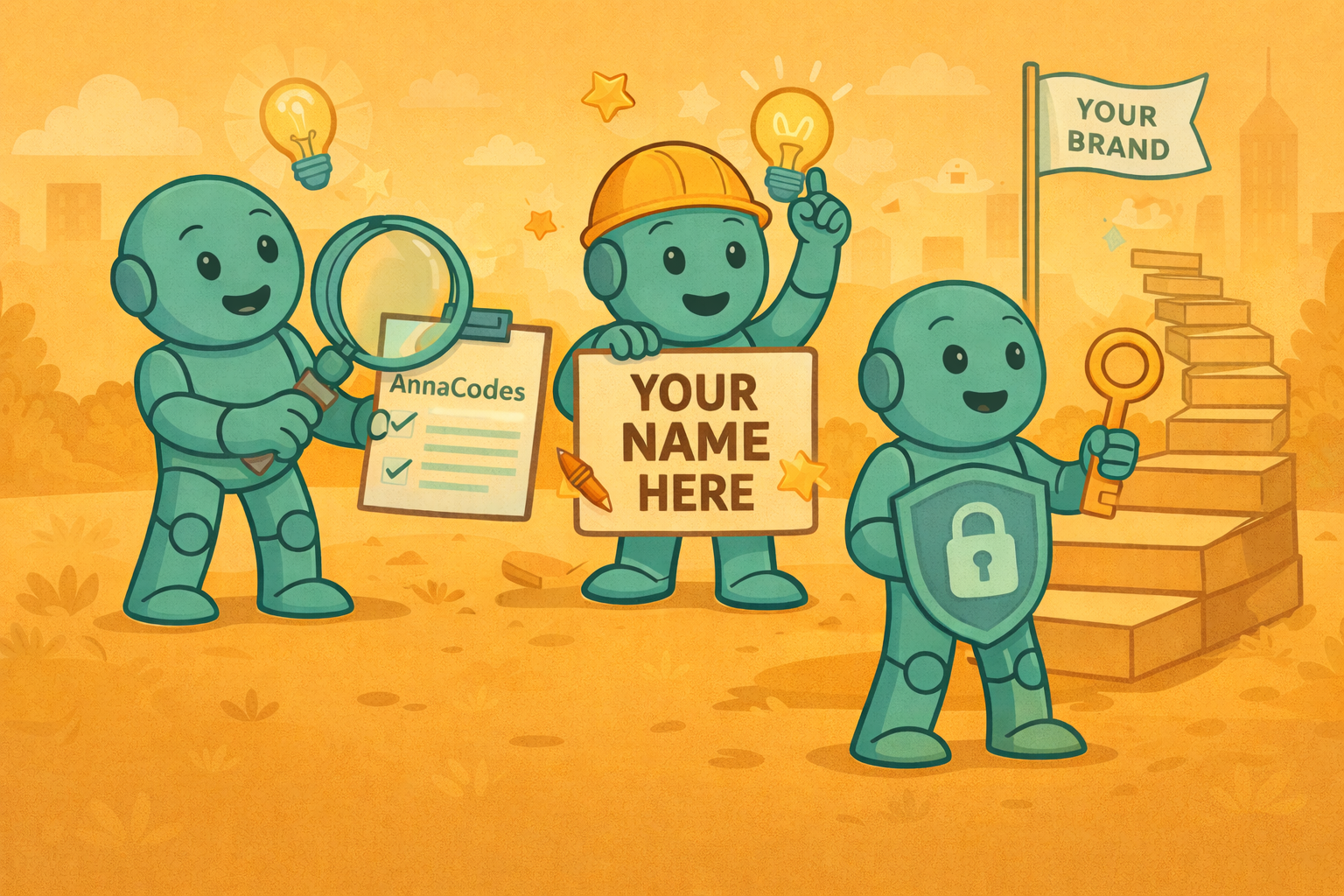
It’s Discoverable: If you’re a developer, a name like
AnnaCodesis far more effective for searches thanSparklePony88. -
It’s Memorable: When someone wants to recommend you or look you up later, a simple, clear handle makes their job easy.
-
It’s Brand-Aligned: A handle like
JaneDoeConsultingimmediately signals a professional service. In contrast,PixelProwesspoints toward a designer or gamer.
Your username is the one piece of your digital identity that follows you everywhere. It's the foundation of your personal brand, and getting it right from the start saves you from the future headache of a major rebranding effort.
Shifting Your Mindset
It's time to stop treating the username field as an afterthought you rush to fill out. See it for what it is: a core piece of your online identity and your digital first impression.
A well-crafted username opens doors by telling people who you are and what you're about at a glance. It's the first real step in building a strong, recognizable online presence. Adopting this mindset is the secret to picking a name that will work for you for years to come.
Aligning Your Username with Your Online Goals
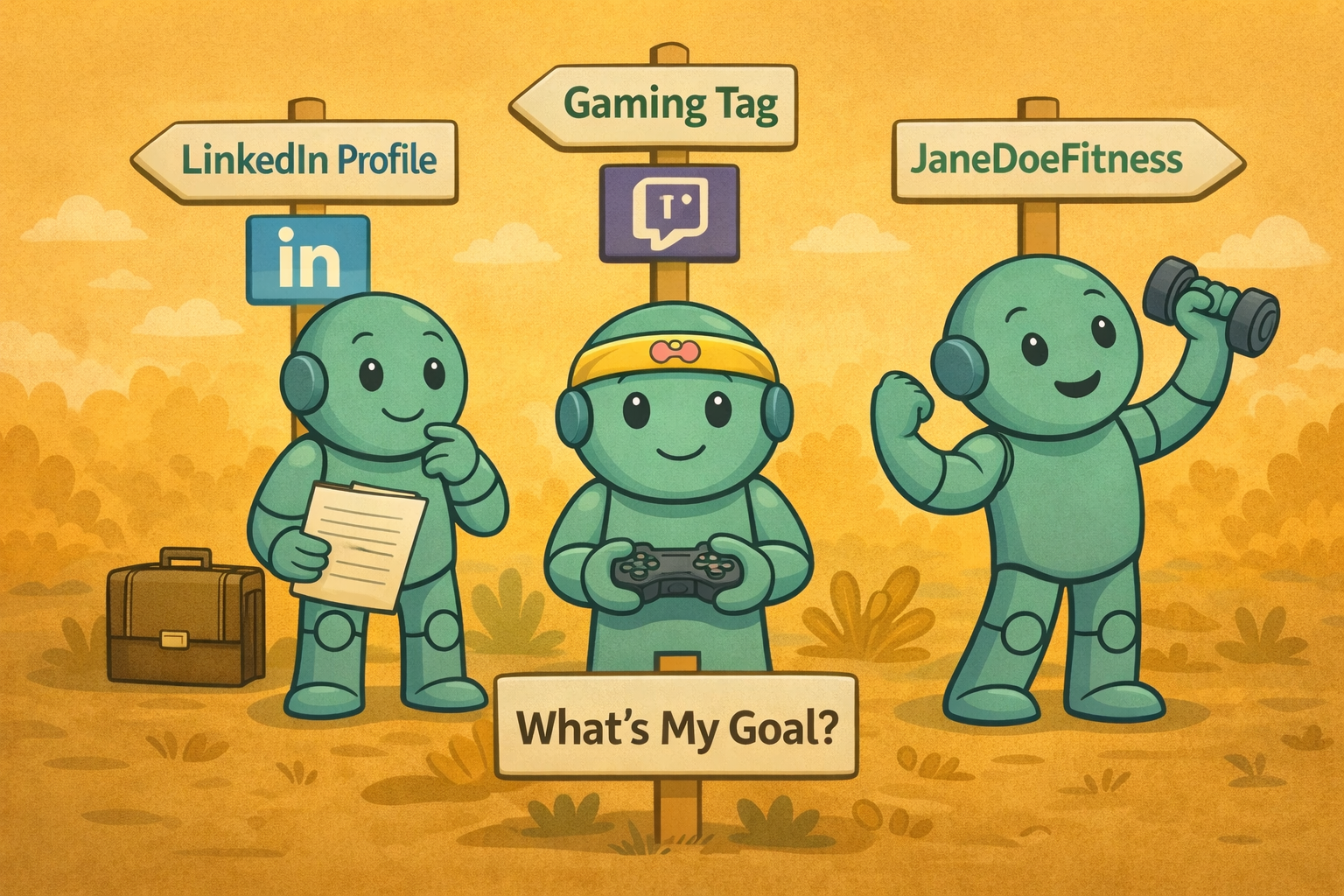
Before you even think about a single username idea, stop and ask yourself one simple question: "What am I trying to achieve here?" A great username isn't a one-size-fits-all solution. In fact, its power comes from being perfectly tailored to its environment. The handle that works brilliantly for your professional LinkedIn profile should look—and feel—completely different from your gaming tag on Twitch.
Your goals and the platform itself should be your guide. Think of it as building an online persona from the ground up. This initial reflection will shape every choice you make and ensure the name you land on feels authentic and works for you, not against you.
Define Your Online Persona
First things first, what's the primary purpose of this account? Are you networking to attract new clients, building an audience to entertain, showcasing a portfolio of your art, or just trying to stay anonymous on a forum? Each of these goals calls for a completely different approach.
-
For Professionals: If you're building a brand, clarity and searchability are king. Your real name or business name is often the best bet—think
JaneDoeConsultingorMarkChenWrites. The whole point is to project authority and make it incredibly easy for potential clients or colleagues to find you. -
For Creatives and Artists: On visual platforms like Instagram or Behance, you have more room to play. A name like
PixelProwessorCanvasWhisperercan subtly hint at your craft, creating a memorable brand that helps you stand out from the sea of other creators. -
For Humor or Entertainment: When your main goal is to make people laugh or keep them engaged, a witty or clever name is a massive asset. This is the sweet spot for gamers, comedians, and meme accounts where personality is everything.
-
For Anonymity: Sometimes, the goal is privacy. For forums or communities where you'd rather not connect your posts to your real-world identity, your username should be a complete break from anything personally identifiable. This is a smart, strategic move for security and peace of mind.
A username is a direct reflection of your intent for that specific platform.
JohnDoeCPAis perfect for a financial blog but feels totally out of place on a gaming channel. Matching your name to the environment is the first step toward building a presence that works.
Consider the Platform's Vibe
Once you know the persona you're aiming for, take a look at the platform's culture. A name that sounds perfectly respectable and buttoned-up on LinkedIn can come across as stuffy or out of touch on a more laid-back network like TikTok.
Spend a little time seeing how other successful people in your niche brand themselves on that particular site. You're not looking to copy them, but to understand the unwritten rules of the community. Getting a feel for the local culture gives you a solid foundation for choosing a name that's not just memorable, but truly effective.
Brainstorming Techniques Beyond the Obvious
Are you staring at that blinking cursor in the 'Create Username' box? If your mind immediately jumps to adding your birth year to your name, let's hit the reset button. The key to a handle that sticks is moving past the obvious choices like 'JaneDoe1995' and digging a little deeper.
A great brainstorming session starts with a simple word dump. Seriously, just open a note and list everything that relates to your work, your passions, or your niche. Don't edit, don't judge—just write. Think about your hobbies, industry jargon, favorite book characters, or abstract concepts you love. This messy list is your raw material.
Blend and Combine for a Unique Spin
With your list of keywords in hand, the real fun begins. This is where you can start experimenting with combinations to create something genuinely original.
-
Make Portmanteaus: This is just a fancy word for blending two words together. Think of how "breakfast" and "lunch" became "brunch." If you're a tech blogger who loves telling stories, combining 'Tech' and 'Narrator' gives you TechNarrator. It’s catchy and descriptive.
-
Play with Alliteration: Names that start with the same sound have a natural rhythm that makes them easy to remember. A drone photographer could be PixelPilot, or a business coach could be MomentumMentor.
-
Look to Other Worlds: Don't be afraid to pull inspiration from mythology, literature, or even science. A name like OrionDesigns sounds classic and established, while QuillQuest suggests a journey into writing.
If you want to dive even deeper into this, check out this excellent guide to look beyond the obvious for more creative strategies. The goal is to build a name with a bit of a backstory, which instantly makes it more compelling than a random string of characters.
How to Use Username Generators the Right Way
Username generators can be a fantastic resource, but with one major caveat: treat them as a starting point, not a final destination. Plug in your keywords and see what they spit out, paying close attention to the patterns and word pairings.
A generator might give you 'CodeWizard92'—functional, but forgettable. But that word 'Wizard' could be the spark you need. Maybe that leads you to 'CodeAlchemist' or 'SyntaxSorcerer'. Now you’re getting somewhere.
The idea is to use these tools for inspiration, not to simply copy and paste their first suggestion.
By combining your personal keywords with these creative techniques, you’re no longer just picking a username—you’re intentionally crafting one. The final result will be something unique and memorable that feels authentic because, at its core, it’s built from pieces that actually mean something to you.
How to Check Availability and Secure Your Handle
It’s one of the most frustrating moments in building an online presence: you land on the perfect username, only to find out it’s already taken. This is a common dead end, but it doesn't have to stop your progress. Instead of painstakingly checking every social network and domain registrar one by one, a smarter workflow is your best friend.
This is about more than just a quick social media search. A truly comprehensive availability check moves from your core identity—the domain name—outward to social handles and, importantly, trademark databases. The infographic below lays out this exact process.
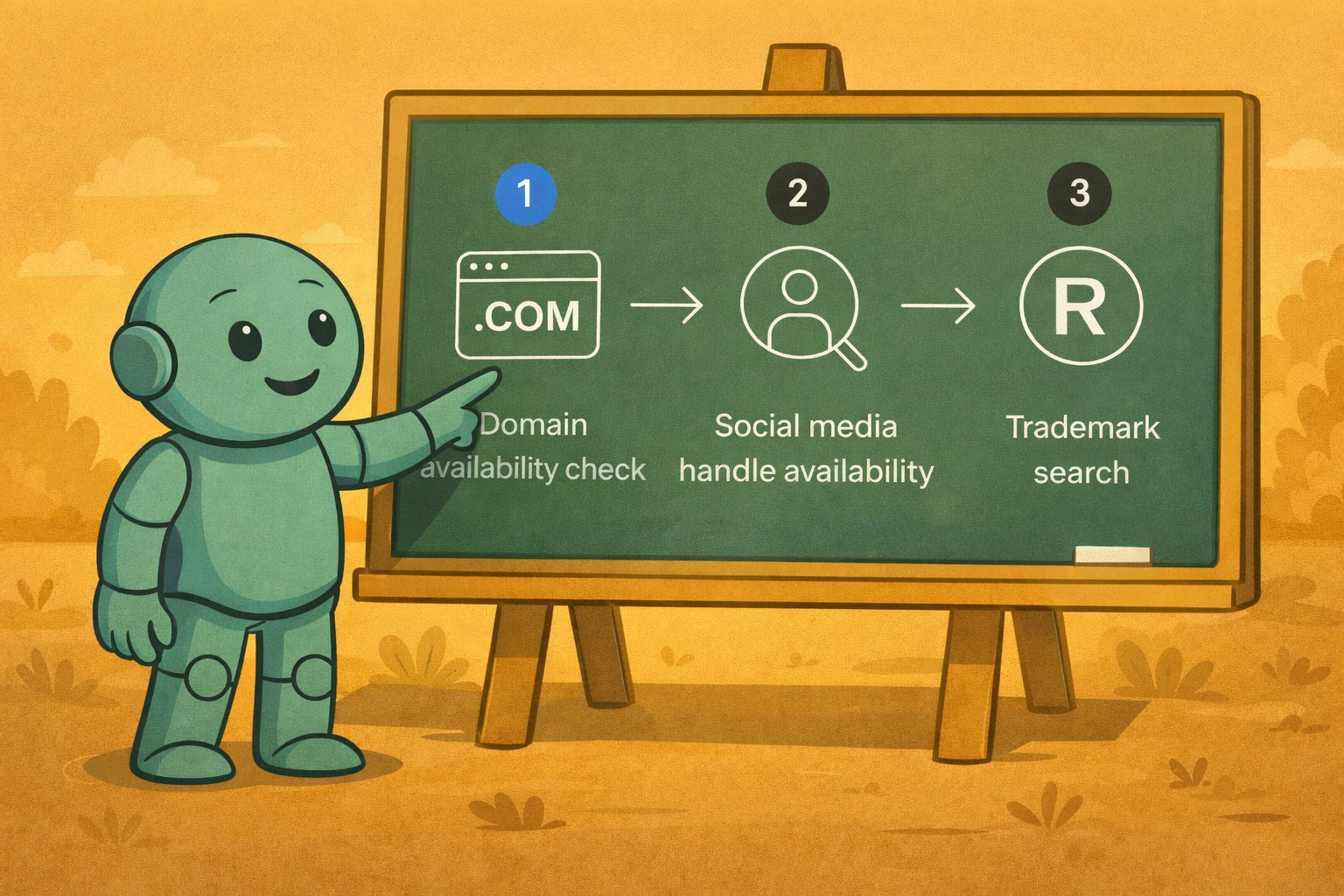
As you can see, securing your name across multiple channels is what creates a cohesive, professional digital identity. When your audience can find you with the same handle everywhere, you become instantly recognizable and easier to follow.
The Art of the Smart Pivot
So, what happens when your top choice is unavailable? The knee-jerk reaction is often to tack on a random number or an underscore, but that can look unprofessional. This is your opportunity to pivot intelligently with a modifier that actually adds value and context.
Here are a few ways I’ve seen this done effectively:
- Add an Action Verb: Think
CodeWithAnnainstead ofAnnaCodes. The first one feels like an invitation, a direct call to action. - Add a Location:
NYCDigitalorLondonLensimmediately grounds your brand in a specific community, which can be a huge advantage. - Add an Initial: A classic for a reason.
JDavidWritesis a simple, clean way to create a unique variation that still feels personal.
The key is to make any addition feel intentional, not like a sloppy compromise. These small tweaks can genuinely enhance your brand by making it more descriptive and memorable.
Consistency is key. Securing the same handle across your most important platforms is critical for building a brand that feels unified and is easy for your audience to discover, no matter where they find you.
This multi-platform reality isn't just a hunch; the data backs it up. With over 5.24 billion social media users worldwide, the average person is active on 6.83 different platforms. This statistic alone underscores why a consistent username is no longer a "nice-to-have"—it's essential for brand recognition.
Once you have a few strong contenders, it's time for the final, non-negotiable step. Performing a thorough domain and availability check ensures that the handle you've chosen is truly yours to own across the web. Don't skip this.
The Final Check Before You Commit
You’ve brainstormed, tested for availability, and landed on a username you love. Before you lock it in, it’s time for one last pass. This is the simple step that separates a good username from a great one—and prevents you from having to rebrand everything six months down the road.
The whole point here is to spot potential red flags you might have missed. A name that sounds brilliant today could have an awkward association you didn't think of. I’ve seen this happen to seasoned marketers and big brands alike. A few extra minutes of due diligence ensures your username is an asset, not a liability.
Conduct a Sanity Check
First, do the "say it out loud" test. Seriously, say it. Does it roll off the tongue? If you had to tell someone your username over the phone, could they spell it without a dozen questions? If a name is hard to say, it’s hard to remember and even harder to share.
Next, you need to hunt for any hidden meanings or unfortunate interpretations.
- Look for awkward word mashups. Jamming two words together can sometimes create a third, very different word. A classic (and real) blunder was a pen company that chose
penisland.net. Yikes. - Check for slang in other languages. What’s a perfectly normal word in English could be deeply offensive somewhere else. A quick search for your username plus "meaning in..." or "slang in..." can save you a world of embarrassment.
- Get a second opinion. This is crucial. Run the name by a friend or colleague. A fresh pair of eyes will almost always catch something you’ve become blind to.
Your username should be clear, memorable, and free of embarrassing hidden interpretations. It’s one of the few parts of your online brand that's incredibly difficult to change without losing all your momentum. Double-checking is not optional.
Prioritize Your Security
Finally, look at your chosen name through a security lens. It's tempting to add numbers to make a name unique, but never use your full birth year, your address, or any other personally identifiable information. That's just handing potential bad actors a key piece of your identity.
This is a fundamental part of keeping your accounts safe from the start. For a deeper look at this, you can learn more about the safety of names and how to better protect yourself online. Once you've committed to a secure, vetted, and memorable name, you're truly ready to go.
Frequently Asked Questions About Usernames
Picking a username can still feel like a bit of a puzzle, even when you have a plan. Let's tackle some of the most common questions that pop up. These are the final hurdles people often face before landing on a name they'll be happy with for the long haul.
What Should I Do If My Desired Username Is Taken Everywhere?
It’s a frustrating moment when you realize your perfect name is already gone. The key is to adapt without just tacking on random numbers. Instead, try adding a modifier that gives your name more context and personality.
A simple verb can do the trick, turning a generic name into a brand. Think JennaWrites or DavidBuilds. Right away, people know what you do. Another great approach is to add a location, like MiamiMotors or AustinArtist, which instantly roots you in a local community. If you want to keep it professional and simple, a middle initial (SJanePhoto) is a timeless choice. The goal is to make the change feel deliberate, not like a sloppy second choice.
Should I Use My Real Name As My Username?
This really comes down to context. For professional platforms like LinkedIn or a personal portfolio, using your real name is almost always the right call. It's straightforward, makes you easy to find, and helps build your personal brand authority.
But for other corners of the internet—think gaming, forums, or creative social media—a unique handle is often the better, safer choice. Privacy is a major factor, and sometimes you just want a name that reflects a hobby or a more creative side of your personality.
Always think about the culture of the platform and what you want to achieve there. The name that works wonders on your professional site might feel completely out of place in a more casual or anonymous setting.
How Long Should a Username Be?
From what I've seen, the sweet spot is somewhere between 6 and 15 characters. That's short enough for people to remember and type easily, but still long enough to be unique. Shorter names are also a huge plus on social media, where they won't get cut off in tags or mentions.
If you're in love with a longer name, see if there's a natural way to shorten it. For instance, InternationalDesignCo could easily become IntlDesignCo without losing its identity.
Is It Okay to Use Numbers in My Username?
Be careful with numbers. A name like Creator28491 feels generic and impersonal. It basically screams, "All the good names were taken!" and is a nightmare for anyone to remember.
That said, numbers aren't always a bad thing. They can work beautifully if they have a clear, intentional meaning tied to your identity. For example:
- 8BitBrian is a fantastic choice for a retro gaming channel.
- LA2028 makes perfect sense for a business or influencer focused on the upcoming Olympics.
The rule of thumb is this: if you use numbers, make sure they mean something and add to your story, rather than just filling a space.
Ready to stop guessing and find the perfect name? The tools over at NameRobot are designed to help you brainstorm creative ideas, check availability across platforms, and even score your choices for market-readiness. Start your naming journey today at namerobot.com.