10 Creative Shop Name Ideas to Define Your Brand in 2026

Your shop's name is the cornerstone of your brand identity. It's the first impression you make, the label customers use to find you, and a critical piece of your marketing strategy. In a crowded marketplace, a memorable and meaningful name is more than just a creative exercise; it's a strategic asset that builds recognition and trust. The right name can instantly communicate your purpose, evoke a specific feeling, and set your business apart from the competition.

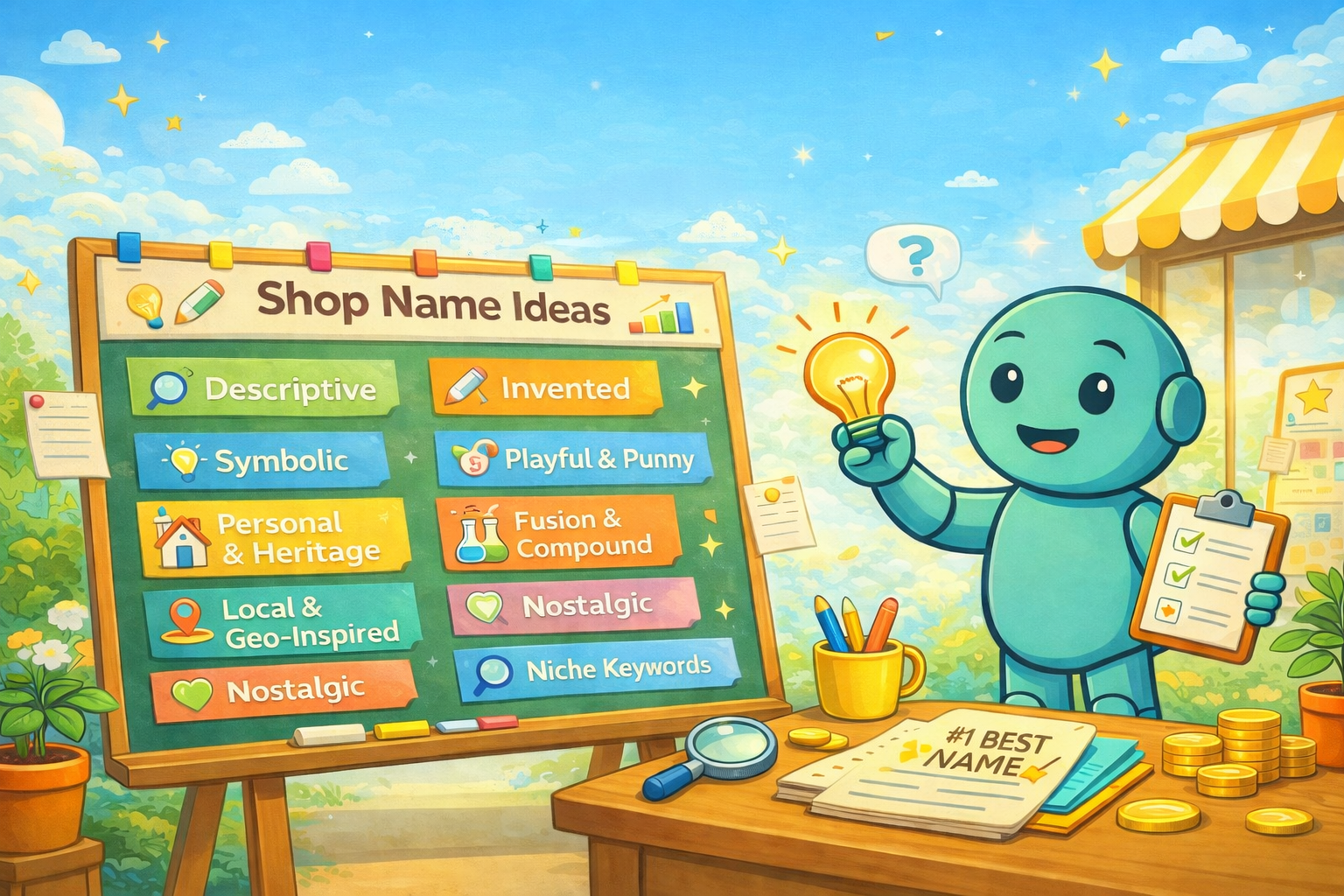
However, the process of finding that perfect name can feel overwhelming, with infinite possibilities and countless factors to consider. This guide simplifies that journey by providing a structured framework of actionable shop name ideas. We will break down 10 proven categories of business names, exploring the strategic advantages and potential pitfalls of each distinct approach.

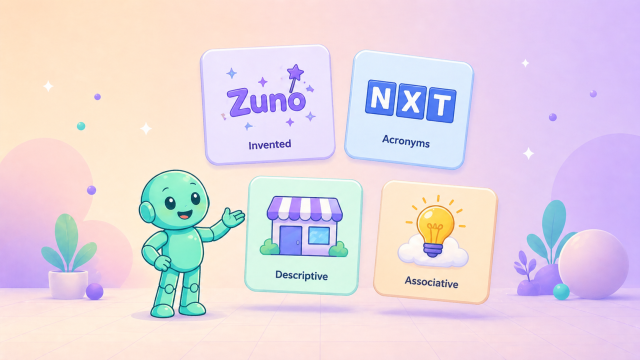
From descriptive and literal to invented and symbolic, this comprehensive roundup is designed to spark inspiration and provide clarity. Use these categorized lists to brainstorm effectively, refine your vision, and ultimately select a name that not only sounds great but also works hard to establish your brand and attract your ideal customers.

1. Descriptive/Literal Shop Names

A descriptive shop name is a straightforward and highly effective approach that tells customers exactly what you do or sell. This method prioritizes clarity over creativity, ensuring there is no confusion about your business's core offering. By being literal, you immediately attract a targeted audience searching for your specific products or services, making it a powerful strategy for discoverability.

This approach is one of the best shop name ideas for businesses that want to build trust and authority quickly. When customers see a name like "The Austin Guitar Shop," they instantly understand the what and the where, which simplifies their decision-making process.

Why This Approach Works

The primary benefit is instant recognition. Descriptive names are inherently SEO-friendly because they often contain the exact keywords potential customers use in search engines. Think of names like Best Buy or Home Depot; their function is embedded directly in their brand identity.

Actionable Tips for Implementation

  • Add a Location: Ground your business in a specific community by adding a city, neighborhood, or street name (e.g., "Brooklyn Bagel Co." or "Main Street Books").
  • Incorporate a Specialty: Highlight what makes you unique within your category, such as "Artisan Bread Bakers" or "Vintage Vinyl Records."
  • Use Alliteration or Adjectives: Make a simple name more memorable with alliteration ("The Pen & Paper Place") or an adjective that conveys quality ("Premier Pet Supplies").
  • Combine with Your Name: Personalize a literal name by adding the founder's name, like "Johnson & Sons Fine Furniture."

Key Insight: A descriptive name acts as a 24/7 marketing tool. It requires minimal explanation, allowing you to focus your branding efforts on communicating quality and value rather than explaining what your business does. Before finalizing, always conduct a thorough trademark search to ensure your chosen name is available.

2. Founder/Owner Name-Based Shop Names

Using a founder's name for your shop instantly creates a personal brand and imbues your business with a sense of authenticity and heritage. This approach forges a direct connection between the creator and the product, suggesting a level of personal commitment, craftsmanship, and accountability. It's a classic strategy that has been successfully employed by countless iconic brands, from fashion houses like Vera Wang to beauty empires like Estée Lauder.

This type of name is one of the most powerful shop name ideas for entrepreneurs who want their personal story and expertise to be central to their brand identity. When customers see a name like "Sara Blakely," they connect with the individual behind the innovation, fostering a deeper sense of trust and loyalty that transcends a simple transactional relationship.

Why This Approach Works

The core benefit is authenticity and personal connection. A founder-based name tells a story of origin and passion, making the brand feel more human and less corporate. It works exceptionally well for artisans, designers, consultants, and anyone whose personal reputation is a key selling point. Names like Tommy Hilfiger or Ralph Lauren are synonymous with the vision and style of their founders.

Actionable Tips for Implementation

  • Choose a Format: Use your full name for a formal, high-end feel, a first name or nickname for a more approachable and friendly vibe, or just your surname for a timeless, legacy-focused brand.
  • Add a Suffix: Elevate a simple name by adding a professional suffix like "& Co.," "Studios," "Designs," or "and Sons" to suggest a larger, more established operation (e.g., "Tiffany & Co.").
  • Ensure It's Accessible: Select a name that is relatively easy to spell and pronounce for your target audience to avoid confusion and make it easier to find you online.
  • Build Your Personal Brand: This strategy is most effective when you actively build your personal brand in tandem with your business through social media, public relations, and content creation.

Key Insight: A name-based brand ties your business's reputation directly to your own. This can be a tremendous asset, creating a powerful, personal connection with customers. However, it also means the brand is intrinsically linked to you, which is a key consideration for long-term scalability and potential future sale of the business.

3. Invented/Neologism Shop Names

An invented name, or neologism, is a completely new word created specifically for your brand. This highly creative approach gives you a blank slate, free from pre-existing connotations, and allows you to build a unique and memorable brand identity from the ground up. By combining sounds and syllables, you can craft a name that is distinctive, ownable, and intriguing.

This method is one of the most powerful shop name ideas for businesses aiming for a global reach or operating in a crowded market. A unique name like Etsy or Zappos is inherently brandable and less likely to face trademark conflicts, though it requires significant marketing effort to attach meaning to the new word.

Why This Approach Works

The primary benefit is uniqueness and availability. An invented name is almost guaranteed to have an available domain and social media handles. It stands out and can sound modern and innovative, like Kodak or Xerox. This distinctiveness makes it easier to trademark and defend legally.

Actionable Tips for Implementation

  • Focus on Sound and Feel: Combine phonetic elements that evoke the right emotion. For example, a name like "Zappos" (derived from 'zapatos,' Spanish for shoes) sounds energetic and quick.
  • Keep it Simple: Aim for one or two syllables to make the name easy to pronounce, spell, and remember (e.g., "Nintendo").
  • Test for Unintended Meanings: Check your invented word across different languages and cultures to ensure it doesn't have a negative or awkward translation.
  • Ensure it's Intuitive: Even if made up, the name should be easy for customers to say after hearing it once. Avoid complex spellings or confusing letter combinations. You can learn more about inventing names from scratch on NameRobot.com.

Key Insight: An invented name is a long-term investment in your brand equity. It has no initial meaning, so you must be prepared to invest heavily in marketing to build the brand association and educate your audience. However, once established, it becomes a powerful, defensible asset that is exclusively yours.

4. Compound/Hybrid Shop Names

A compound or hybrid shop name is created by combining two or more distinct words to form a new, unique term. This clever approach blends familiar concepts to create something fresh and memorable, often hinting at the business’s function or ethos without being overly literal. The goal is to produce a name that is both inventive and intuitive.

This modern naming convention, popularized by tech startups and e-commerce giants, is one of the most effective shop name ideas for brands aiming for a catchy, brandable identity. Names like Shopify (Shop + Simplify) or Pinterest (Pin + Interest) are excellent examples; they merge recognizable words to communicate their core value proposition in a single, fluid term.

Why This Approach Works

The primary benefit is brandability. Hybrid names are often unique, making them easier to trademark and secure a matching domain name for. They strike a balance between the abstract and the descriptive, creating a memorable word that can become synonymous with your brand over time, much like how "Facebook" became a household name.

Actionable Tips for Implementation

  • Combine Core Concepts: Brainstorm words related to your product, service, or customer experience and experiment with combinations (e.g., "Fit" + "Fusion" for a gym).
  • Test for Clarity: Say the name aloud to ensure it sounds natural and is easy to pronounce. Ask a small group if they can guess your business type from the name alone.
  • Check Digital Availability: Prioritize names where the .com domain and key social media handles are available. A unified digital presence is crucial for modern brands.
  • Keep It Concise: Aim for a name that is short and easy to spell. Combining two short words is often more effective than merging longer, more complex ones.

Key Insight: A well-crafted compound name feels both innovative and self-explanatory. It offers a creative edge while retaining a degree of clarity, allowing you to build a strong, protectable brand from day one. Before committing, verify the name’s meaning and connotations in other languages to avoid unintended interpretations.

5. Metaphor/Symbolic Shop Names

A metaphor or symbolic shop name uses imagery and association to represent your brand's values, mission, or the feeling it evokes. Rather than describing what you sell, this approach creates an emotional or intellectual connection, inviting customers to discover the deeper meaning behind your brand identity. These names are often memorable, intriguing, and can build a powerful, story-driven brand.

This approach is one of the most creative shop name ideas for businesses that aim to build a strong lifestyle brand or sell a premium product. When a customer encounters a name like Amazon, they don't think of a river; they associate it with a vast, all-encompassing selection. This symbolic link elevates the brand beyond its literal function.

Why This Approach Works

The core benefit is brand storytelling. A symbolic name gives you a built-in narrative. Starbucks, named after a character in Moby-Dick, evokes the seafaring tradition of early coffee traders. This depth allows for richer marketing and helps create a loyal community around the brand's lore and values.

Actionable Tips for Implementation

  • Align Symbolism with Values: Ensure the chosen metaphor directly reflects your core brand promise. For example, a brand named "Phoenix" could symbolize rebirth and transformation.
  • Create a Compelling Origin Story: Be prepared to explain the meaning behind your name. A strong narrative makes the name more memorable and meaningful to customers.
  • Choose Symbols with Broad Appeal: Select metaphors that are widely understood and have positive connotations, avoiding symbols that might be misinterpreted across different cultures.
  • Ensure Visual Cohesion: Your logo, branding, and store design should reinforce the symbolism of your name, creating a consistent and immersive brand experience.

Key Insight: A symbolic name transforms your business from a simple retailer into a brand with a soul. It requires more initial marketing effort to establish the connection, but the payoff is a distinctive and defensible brand identity that competitors cannot easily replicate. Always check for cultural relevance and potential trademark conflicts before committing.

6. Geographical/Location-Based Shop Names

A geographical shop name anchors your business to a specific place, leveraging local pride and identity to build a strong community connection. This approach instantly communicates your origins, whether it's a neighborhood, city, or region, making your brand feel familiar and accessible to a local audience. By tying your identity to a location, you create a name that resonates with residents and signals authenticity.

This strategy is one of the most effective shop name ideas for businesses targeting a local market, such as cafes, boutiques, or service providers. When customers see a name like Seattle's Best Coffee or Brooklyn Brewery, they immediately associate it with a specific culture and community, which can be a powerful differentiator in a crowded marketplace.

Why This Approach Works

The core advantage is building an immediate local connection. A location-based name is inherently optimized for local SEO, helping customers in your area find you through "near me" searches. It fosters a sense of belonging and transforms your business into a landmark, turning customers into loyal, local advocates who are proud to support a hometown brand.

Actionable Tips for Implementation

  • Use Neighborhoods or Landmarks: For a more intimate feel, reference a specific neighborhood, street, or well-known landmark (e.g., "The Mission District Taco Co." or "Beacon Hill Books").
  • Combine Location with Product: Clearly state your offering by merging the place with what you sell, such as "Nashville Hot Chicken" or "Arizona Tile."
  • Leverage Local Culture: Incorporate elements of local history, slang, or cultural touchstones to deepen the connection (e.g., "Bayou Boil House" for a Louisiana eatery).
  • Consider Future Growth: If you plan to expand, choose a name that won't feel overly restrictive. A city name might work better than a street name for future franchises.

Key Insight: A geographical name turns your location into a key brand asset. It’s not just about where you are; it’s about who you are. This strategy helps build a loyal local following and can become a powerful part of your brand story, especially if the location itself has a strong, positive identity.

7. Alliteration-Based Shop Names

An alliteration-based shop name uses the repetition of initial consonant sounds to create a rhythmic, catchy, and highly memorable brand identity. This phonetic appeal makes the name stick in a customer's mind, creating an effortless and pleasing sound when spoken aloud. It’s a classic linguistic tool that makes a name fun, engaging, and easy to recall.

This technique is one of the most effective shop name ideas for brands aiming for a playful yet professional feel. Iconic examples like Best Buy, Circuit City, and Bed Bath & Beyond demonstrate how alliteration can build a brand that is both familiar and enduring. The repetition creates a pleasing cadence that stands out in a crowded market.

Why This Approach Works

The core benefit is enhanced memorability. The human brain is naturally drawn to patterns and rhythm, and alliteration creates a simple phonetic pattern that is easy to remember and repeat. This makes your shop name more likely to be shared via word-of-mouth and easier for customers to recall when they need your product or service.

Actionable Tips for Implementation

  • Keep it Natural: Avoid forcing alliteration with obscure words. The name should roll off the tongue easily, like "Creative Canvas" or "Dynamic Designs."
  • Limit to Two or Three Words: The effect is strongest when concise. A name like "Stellar Shoe Store" is more impactful than a longer, more complex phrase.
  • Ensure Clarity: The words chosen should still relate to your business. "Perfectly Posh Pets" clearly communicates the industry and a key brand value.
  • Test Pronunciation: Say the name out loud multiple times to check for awkward phrasing or unintended sounds.

Key Insight: Alliteration gives your shop name a built-in mnemonic device, making it inherently "sticky" and easy for customers to recall. It’s a powerful tool for building brand recognition without a large marketing budget. For more on sound-based naming, you can explore how rhyming and alliteration help with brand recall.

8. Acronym-Based Shop Names

An acronym-based shop name is a concise and often memorable approach created by using the initials of a longer phrase or a founder's name. This technique transforms a complex or lengthy name into a short, brandable word, as seen with iconic brands like IKEA (Ingvar Kamprad Elmtaryd Agunnaryd) and ASOS (As Seen On Screen).

This strategy is one of the more sophisticated shop name ideas, ideal for businesses aiming to build a brand with a deeper story or a corporate feel. While the meaning may not be obvious initially, the story behind the acronym can become a powerful part of your brand narrative, creating intrigue and an "insider" connection with customers who learn its origin.

Why This Approach Works

The core advantage is brandability and brevity. Acronyms are often short, easy to remember, and can look clean and modern on logos and marketing materials. They function as a blank slate, allowing you to imbue the name with meaning through your branding efforts, much like an invented name but with a meaningful backstory.

Actionable Tips for Implementation

  • Ensure it's Pronounceable: Choose an acronym that flows naturally as a word (like NASA or LEGO), not just a string of letters (like IBM). A clunky or hard-to-say acronym can hinder word-of-mouth marketing.
  • Create a Meaningful Foundation: The full name behind the acronym should be relevant to your business values, mission, or origin. This adds substance and provides a great story to share.
  • Check for Unintended Meanings: Research your chosen acronym to ensure it doesn't have a negative or awkward connotation in other languages or contexts.
  • Use Consistent Capitalization: Decide whether your brand name will be in all caps (BMW), title case (Asos), or lowercase, and apply it consistently across all branding.

Key Insight: An acronym-based name separates you from competitors by creating a unique brand identity that isn't tied to a literal product description. It offers a sophisticated, scalable option for businesses with global ambitions. If you want to dive deeper into this naming style, you can learn more about crafting effective acronyms.

9. Emotional/Aspirational Shop Names

An emotional or aspirational shop name connects with customers on a psychological level, evoking feelings, values, or the lifestyle they desire. This approach sells a vision or a feeling rather than just a product, building a deep, mission-driven brand identity. By tapping into customer aspirations, these names create a powerful sense of community and loyalty.

This naming strategy is one of the most effective shop name ideas for brands that want to build an identity around a purpose or a specific set of values. When a customer sees a name like Patagonia, they think of adventure and environmental stewardship, creating a connection that goes far beyond the product itself.

Why This Approach Works

The primary benefit is deep customer connection. Emotional names build a tribe of followers who identify with the brand’s mission. They transform a simple transaction into a statement of personal values, fostering loyalty that is difficult for competitors to replicate. Brands like TOMS and Warby Parker exemplify this by linking their names to social good and accessible style.

Actionable Tips for Implementation

  • Define Your Core Values: Identify the central emotion or aspiration you want to own (e.g., courage, tranquility, sustainability).
  • Use Evocative Language: Choose words that trigger the desired feeling or dream, such as "Thrive," "Inspire," or "Joy."
  • Tell a Compelling Story: Your brand's narrative must authentically support the name. Consistently communicate your mission and back up your promises with action.
  • Build a Community: Use your name as a rallying cry to unite customers who share the same values, fostering a strong sense of belonging.

Key Insight: An aspirational name turns customers into advocates. It requires a genuine commitment to the values you promote, as authenticity is critical for success. Your entire business operation, from marketing to customer service, must align with the promise embedded in your name.

10. Playful/Humorous Shop Names

A playful or humorous shop name uses wit, puns, or clever wordplay to create a memorable and approachable brand identity. This strategy focuses on making an emotional connection with customers through entertainment, helping your business stand out in a crowded market by showcasing a distinct personality from the very first impression.

This approach is one of the most creative shop name ideas for businesses in industries where a friendly, lighthearted persona is an asset. When customers see a clever name like "The Codfather" for a fish and chip shop or "The Grateful Shed" for a garden supply store, it creates an instant, positive association and makes the brand more memorable.

Why This Approach Works

The primary benefit is high memorability. A funny or clever name is sticky; it lodges itself in a customer's mind far more effectively than a generic one. This personality-driven approach can foster a community-like following, as customers feel they are "in on the joke" and are more likely to share the name with others, generating valuable word-of-mouth marketing.

Actionable Tips for Implementation

  • Use Industry Puns: Brainstorm wordplay directly related to your products or services (e.g., a coffee shop named "Deja Brew" or a bakery called "Bread Pitt").
  • Test Your Humor: What one person finds funny, another may not. Run your top ideas by a sample of your target audience to ensure the humor lands as intended.
  • Keep It Simple: The best humorous names are clever but not overly complicated. The punchline should be easy to understand instantly, like "Pret A Manger."
  • Ensure Brand Consistency: A witty name sets an expectation. Your shop's branding, customer service, and overall experience must match the fun, approachable tone.

Key Insight: A playful name is a powerful branding tool that instantly communicates personality, but it requires careful consideration. The humor must align with your target audience and be timeless enough to avoid becoming dated or offensive. Before committing, verify the name is unique and legally available to use.

10-Point Comparison of Shop Name Types

Name Implementation Complexity ? Resource Requirements ⚡ Expected Outcomes ? Ideal Use Cases ? Key Advantages ⭐
Descriptive / Literal Shop Names ? Low — straightforward to implement ⚡ Low — minimal marketing required ? Clear discoverability; moderate differentiation ? Local brick-and-mortar, service-based, professional retailers ⭐ Immediate clarity; SEO-friendly; trusted
Founder / Owner Name-Based ? Medium — legal checks and personal branding ⚡ Medium — reputation and PR investment ? Strong personal trust; potential brand equity tied to individual ? Boutiques, luxury, professional services, artisanal shops ⭐ Authenticity; often easier to trademark
Invented / Neologism Shop Names ? High — creative development and linguistic testing ⚡ High — heavy marketing to build meaning ? High distinctiveness and trademark strength; low innate clarity ? Online retailers, tech startups, premium brands ⭐ Unique identity; full brand control
Compound / Hybrid Shop Names ? Medium — word fusion and clarity testing ⚡ Medium — marketing to establish meaning ? Balanced meaning and memorability; moderate uniqueness ? Tech companies, modern retail, startups, digital services ⭐ Memorable yet understandable; better trademark chances
Metaphor / Symbolic Shop Names ? Medium-High — requires narrative and symbol alignment ⚡ Medium-High — storytelling, design and cultural checks ? Strong emotional positioning and brand depth; slower acquisition ? Lifestyle brands, premium retailers, values-driven businesses ⭐ Emotional resonance; excellent for positioning
Geographical / Location-Based Shop Names ? Low — straightforward naming choice ⚡ Low — local marketing focus ? High local relevance and search performance; limited scale ? Local retail, regional restaurants, community-focused businesses ⭐ Local SEO boost; community trust
Alliteration-Based Shop Names ? Low-Medium — phonetic crafting for flow ⚡ Low — easy to promote verbally ? High memorability and catchiness; risk of seeming gimmicky ? Retail stores, family-friendly, service businesses ⭐ Catchy, easy recall; marketing-friendly
Acronym-Based Shop Names ? Medium — acronym creation and validation ⚡ Medium — need to explain or brand story ? Concise recognition; can feel impersonal without narrative ? Corporates, tech firms, international businesses, online retailers ⭐ Short, domain-friendly, professional
Emotional / Aspirational Shop Names ? Medium-High — requires genuine value alignment ⚡ Medium-High — consistent brand experience investment ? Strong loyalty and premium positioning if authentic ? Purpose-driven brands, premium retailers, lifestyle businesses ⭐ Builds deep loyalty; supports premium pricing
Playful / Humorous Shop Names ? Low-Medium — creative wordplay and audience testing ⚡ Medium — trend monitoring and targeted marketing ? High shareability and memorability; variable longevity ? Casual retail, food & beverage, youth-oriented businesses ⭐ Distinctive personality; strong word-of-mouth

From Idea to Identity: Making Your Final Choice

The journey from a blank page to a compelling brand identity begins with a single, powerful element: a name. Throughout this guide, we've explored ten distinct categories of shop name ideas, from the direct clarity of descriptive names to the memorable rhythm of alliterative ones. Each category offers a unique strategic advantage, whether it's building a personal connection with a founder-based name or sparking curiosity with an invented neologism. The goal was not simply to provide a list, but to equip you with a framework for creative exploration.

You now have a diverse toolkit for brainstorming. A geographical name like "Aspen Creek Outfitters" instantly grounds a brand in a specific lifestyle and location, while an aspirational name like "Evolve Fitness" speaks directly to a customer's goals. The key takeaway is that the most effective name is never an accident. It is the result of a deliberate process that aligns the name's linguistic style with the brand's core mission, target audience, and long-term vision.

Synthesizing Your Shortlist: A Practical Checklist

Moving from a long list of possibilities to a single, definitive choice requires a structured evaluation process. As you review your top contenders, measure them against these critical checkpoints. This final filter ensures your chosen name is not just creative but also a robust, market-ready asset.

  • Audience Resonance: Does the name speak the language of your ideal customer? A playful name might delight a younger demographic but could alienate a more formal, corporate audience.
  • Memorability and Pronunciation: Is it easy to recall, spell, and say aloud? Complex or ambiguous names create friction, making it harder for customers to find you online or recommend you through word-of-mouth.
  • Brand Story Alignment: Does the name encapsulate the essence of your brand's story and values? Your name is the title of your brand's story; it must be a fitting introduction.
  • Future-Proof Flexibility: Will the name still be relevant if you expand your product lines or enter new markets? A name that is too specific, like "Seattle Sock Company," can become limiting if you decide to sell hats or expand beyond Seattle.

Final Validation: Securing Your Brand's Digital Real Estate

Once you have a name that passes the strategic test, the final step is practical validation. In today's digital-first world, a great name is useless if it's already taken.

  1. Domain Availability: Check if the corresponding .com domain (or a suitable alternative) is available. Your domain is your digital storefront, and consistency is crucial.
  2. Social Media Handles: Secure the name across all relevant social media platforms. Inconsistent handles can confuse customers and dilute your brand's presence.
  3. Trademark Search: Conduct a thorough search to ensure the name doesn't infringe on existing trademarks. Overlooking this step can lead to costly legal disputes down the line.

Choosing your shop name is more than a creative exercise; it's a foundational business decision that will shape your brand's perception for years to come. By moving from broad brainstorming to a rigorous, data-informed validation process, you transform a simple idea into a lasting and powerful identity.


Ready to streamline your naming process and validate your best ideas with professional-grade tools? NameRobot offers a powerful suite of AI-powered generators, domain checks, and trademark analysis features to help you discover and secure the perfect name. Move from brainstorming to a market-ready brand identity by visiting NameRobot today.


Written on 

Looking for creative name ideas?

With our NameRobot company name generator you can find the desired name for your business.

Naming Topics Sorted by Categories

building

The best tips & tricks on how to successfully find company names and other business names: How to come up with creative ideas? How to check whether company names are still available? How do you decide on the best name? In this category we write about all these questions concerning the right company and business name.

More
deliveries

Find out the dos and don'ts about developing new brand names and product names. What are promising brand naming strategies from planning to the introduction of the name? Learn how to create a brand name that stands out and can become a successful trademark.

More
add notes

In this category you will find examples of naming companies in all kinds of industries and on various topics. Learn more about rules and trends for names in your industry or profession.

More
brainstorming

Are you stuck in the naming process? Does the blank page paralyze you? With our naming inspiration techniques, you can fuel your imagination and get your mind going to generate great name ideas.

More
team spirit

About powerful name generators and naming tools: tools for word inspirations, name generators from acronyms to artificial names and helpful name checks. In this section, we introduce special naming tools in more detail.

More
contrast

Invented words or descriptive names, acronyms or existing words, or simply crazy-associative names: the possibilities for finding a business name are endless. Let's take a look at the most common name types for professional use.

More
judge

The most important facts about trademark law, registering a business name and everything else you need to know to secure your new name.

More
status update

What's going on in the naming world? Let's talk about the newest trends, important changes and the most common standards in business and product naming.

More
world

There's more than business names and brand names. Let's take a closer look at all kinds of names: geographical names, weekday names, traditional names, children and pet names...

More